Few things disrupt the smooth flow of work or the thrill of gaming quite like a laptop heating up. If you own a Lenovo, you know these machines are powerhouses, but that power generates heat. Ensuring your Lenovo laptop cooler system is up to the task isn’t just about comfort; it’s about safeguarding your investment and maximizing performance. As a thermal engineer with over a decade in the field, I’ve seen firsthand how effective cooling can transform a laptop’s lifespan and efficiency. Let’s dive into how you can keep your Lenovo running cool and strong.
Understanding Heat: Why Your Lenovo Laptop Gets Hot
At its core, a laptop generates heat because its components—primarily the Central Processing Unit (CPU) and Graphics Processing Unit (GPU)—are constantly working. When you’re browsing the web, editing documents, or streaming videos, these components are active. But when you push your laptop with demanding tasks like gaming, video editing, or complex simulations, they really start to sweat. This intensive workload leads to increased electrical resistance and, consequently, more heat. For complete laptop cooling library on this site.
If this heat isn’t efficiently dissipated, your laptop’s internal temperature can rise to critical levels. When this happens, a process called “thermal throttling” kicks in. The CPU and GPU automatically reduce their clock speeds to prevent damage, leading to noticeable performance drops, stuttering, and an overall sluggish experience. Prolonged exposure to high temperatures can also accelerate the degradation of internal components, potentially shortening your laptop’s overall lifespan. So, a hot laptop isn’t just an annoyance; it’s a warning sign that needs attention.
Lenovo’s Built-in Cooling Innovations
Lenovo isn’t new to the game when it comes to internal cooling. They’ve consistently invested in sophisticated thermal management systems, especially for their high-performance lines like the Legion series. For instance, many modern Lenovo gaming laptops feature advanced solutions like the Coldfront HyperChamber cooling system. This innovative technology is designed to create a sealed “hyperbaric chamber” where fans twist 90 degrees to blow cool air inwards over the hottest components, effectively expelling hot air out the back like a wind tunnel. This approach is a significant upgrade from traditional four-channel exhaust systems, directly addressing heat buildup where it matters most.
Earlier models and some mainstream Lenovo laptops also utilize Vapor Chamber technology, first introduced around 2020 in some Legion notebooks. Vapor chambers use a sealed flat plate containing a small amount of liquid, which vaporizes when heated, carrying heat away from the source before condensing and returning to repeat the cycle. These built-in systems are crucial, but even the best internal cooling can sometimes benefit from external assistance, especially during peak loads.
External Lenovo Laptop Cooler Solutions: Do They Really Work?
When your Lenovo is working hard and its internal cooling struggles to keep up, an external cooling solution can be a game-changer. But what exactly is a laptop cooler, and how effective are they?
What is a Laptop Cooling Pad?
|
Our Picks for the Best Laptop Cooler in 2026
As an Amazon Associate I earn from qualifying purchases.
|
||
| Num | Product | Action |
|---|---|---|
| 1 | Laptop Cooling Pad, Gaming Laptop Cooler for 13-19 Inch Laptops, RGB Lights Laptop Fan Cooling Pad with 3 Height Adjustable and 3 USB Ports, 4.72 Inch Large Turbo Fan, Max 3500RPM |

|
| 2 | AICHESON Laptop Cooling Pad 5 Fans Up to 17.3 Inch Heavy Notebook Cooler, Blue LED Lights, 2 USB Ports, S035, Blue-5fans |
|
| 3 | ChillCore Laptop Cooling Pad, RGB Lights Laptop Cooler 9 Fans for 15.6-19.3 Inch Laptops, Gaming Laptop Fan Cooling Pad with 8 Height Stands, 2 USB Ports - A21 Blue |
|
| 4 | llano V12 Laptop Cooling Pad, Gaming Laptop Cooler Stand with 5.5inch Powerful Turbo Fan, Adjustable Speed, Touch Control, 3-Port USB A, for Fast Cooling Laptop 15.6-19in, Black (No RGB) |
|
| 5 | Kootek Laptop Cooling Pad, Laptop Cooler with 5 Quiet Fans for 12\"-17\" Computer PC Notebook Gaming Laptop Fan, Height Adjustable Laptop Cooling Stand Laptop Accessories, Blue |
|
| 6 | Razer Laptop Cooling Pad: Adaptive Smart - Intelligent Fan Control - Airtight Pressure Chamber - Fits Most Laptops & Macbooks 14” to 18\" - Preset & Custom Fan Curves - 3 Port USB Type A - Chroma RGB |
|
| 7 | Laptop Cooling Pad, Laptop Cooler 6 Quiet Fans for 12\"-17\" Laptops, Gaming Laptop Fan Cooling Pad with 5 Height Adjustable, Slim Portable USB Powered, 2 USB Ports & Phone Holder |
|
| 8 | havit HV-F2056 15.6\"-17\" Laptop Cooler Cooling Pad - Slim Portable USB Powered (3 Fans), Black/Blue |
|
| 9 | llano V12 RGB Laptop Cooling Pad, Gaming Laptop Cooler with 5.5 Inch Powerful Turbofan, Fast Cooling Laptop 15.6-21in, Adjustable Speed, Touch Control, LCD Screen, Black (RGB) |
|
| 10 | KeiBn Laptop Cooling Pad, Gaming Laptop Cooler 2 Fans for 10-15.6 Inch Laptops, 5 Height Stands, 2 USB Ports (S039) |
|
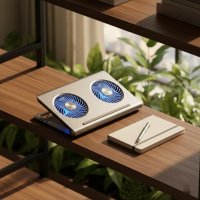
A laptop cooling pad, also known as a cooling stand or laptop cooler, is an external device designed to regulate your laptop’s temperature. The most common types are flat surfaces with integrated fans underneath that draw hot air away from the laptop and introduce cooler ambient air. More advanced versions offer features like adjustable fan speeds, ergonomic stands for better viewing angles, extra USB ports, and even LED lighting. Beyond the typical “pad” style, there are also vacuum coolers that attach to your laptop’s exhaust vents and actively pull hot air out.
The Effectiveness of Cooling Pads
Yes, laptop cooling pads are undeniably effective in maintaining optimal operating temperatures for your Lenovo. By providing additional airflow, they help dissipate heat more efficiently, preventing your laptop’s components from reaching throttling temperatures. This means your CPU and GPU can maintain higher clock speeds, resulting in improved performance, especially during prolonged gaming sessions or intensive tasks. Furthermore, by keeping temperatures lower, you reduce the stress on internal components, potentially extending your Lenovo laptop’s longevity and reliability.
“Many users report significant temperature drops, often between 5 to 10 degrees Celsius, when using an effective cooling pad,” notes Dr. Anya Sharma, a leading expert in thermal dynamics. “This difference can be crucial for maintaining peak performance and avoiding thermal throttling, especially in gaming and professional workstations.”
Choosing the Right Lenovo Laptop Cooler
Selecting the perfect external Lenovo laptop cooler involves considering several factors to match your specific needs and laptop model.
- Fan Size and Quantity: Larger fans generally move more air at lower RPMs, which can mean quieter operation. Multiple smaller fans might target more specific hot spots. For many Lenovo gaming laptops, especially the Legion series, models with strong, focused airflow are often preferred.
- Airflow Design: Some coolers push air into your laptop’s intake vents, while others pull air away from the exhaust. Understand where your Lenovo draws in and expels air to choose a cooler that complements its natural airflow.
- Adjustable Fan Speed and Height: The ability to adjust fan speeds allows you to balance cooling performance with noise levels. Adjustable height settings can improve ergonomics and ensure better clearance for airflow underneath your laptop.
- Compatibility: Ensure the cooler is appropriately sized for your Lenovo laptop (e.g., 15-inch, 17-inch). Also, check that the pad doesn’t block essential ports or vents on your specific model.
- Noise Levels: High-performance coolers can sometimes be noisy. Read reviews and look for models that offer effective cooling without sounding like a jet engine.
- Build Quality and Materials: A sturdy build, often with a metal mesh top, can aid in heat dissipation and durability.
For Lenovo Legion users, models like the IETS GT500/GT600 series and Klim KN01/KN02 are frequently recommended for their strong performance. While some of these can be loud at maximum settings, they are highly effective at reducing temperatures.
Beyond the Pad: Essential Tips for Optimal Lenovo Laptop Cooling
While a dedicated Lenovo laptop cooler can be immensely helpful, it’s just one piece of the puzzle. Adopting a holistic approach to thermal management will ensure your laptop stays cool under any workload.
- Elevate Your Laptop: Even without a powered cooling pad, simply raising the back of your laptop by an inch or two with a stand or even small rubber feet can dramatically improve airflow underneath. This inexpensive trick allows hot air to escape and cooler air to enter, significantly aiding heat dissipation.
- Maintain Clean Vents: Dust and debris are the arch-enemies of laptop cooling. Over time, they accumulate in fan blades and heatsink fins, blocking airflow. Regularly clean your Lenovo’s vents with compressed air, ideally every 3-6 months, to keep the air pathways clear.
- Optimize Software Settings: Your operating system’s power settings can impact heat generation. Setting your power plan to “Power Saver” or adjusting CPU maximum performance can reduce power consumption and, consequently, heat. Closing unnecessary background applications also frees up resources and reduces workload on the CPU and GPU. For advanced users, some third-party tools like SpeedFan (Windows) allow manual fan speed control, giving you more granular command over cooling.
- Thermal Paste and Pads: For experienced users, replacing the thermal paste on your CPU and GPU, and potentially the thermal pads on other components like VRAM, can yield significant temperature improvements. Factory thermal applications can degrade over time, and a fresh application of high-quality thermal compound can vastly improve heat transfer to the heatsink. However, if you’re unsure, seek professional assistance to avoid damage.
- Environment Matters: Avoid using your Lenovo laptop on soft surfaces like beds, blankets, or pillows, as these obstruct vents and trap heat. Always place it on a hard, flat surface that allows for unrestricted airflow. Also, try to keep your workspace out of direct sunlight.
- Consider Undervolting: An advanced technique, undervolting involves reducing the voltage supplied to your CPU and GPU without sacrificing performance. This can lead to a noticeable decrease in heat generation and power consumption. It requires careful testing and monitoring, but for those comfortable with tweaking system settings, it’s a powerful tool for thermal optimization.
Frequently Asked Questions
Q1: How hot is too hot for a Lenovo laptop?
Generally, CPU temperatures consistently above 90-95°C (194-203°F) during heavy load are considered too hot and can lead to throttling and long-term damage. For GPUs, temperatures above 85°C (185°F) under load are also concerning. Ideally, you want to keep them in the 70-85°C range during intensive use.
Q2: Can a cooling pad damage my Lenovo laptop?
No, a properly used cooling pad will not damage your Lenovo laptop. In fact, by reducing operating temperatures, it helps extend the lifespan of your components and prevents heat-related issues. Ensure the cooling pad is clean and doesn’t block any essential ports.
Q3: How often should I clean my Lenovo laptop’s fans?
It’s generally recommended to clean your Lenovo laptop’s fans and vents every 3 to 6 months, or more frequently if you use your laptop in a dusty environment or have pets. Regular cleaning is crucial for maintaining optimal airflow and preventing overheating.
Q4: Are all “lenovo laptop coolers” effective for gaming?
Not all generic laptop coolers are equally effective, especially for demanding gaming laptops like the Lenovo Legion series. For gaming, look for coolers with powerful fans, a robust build, and designs that specifically target your laptop’s intake areas. Researching models recommended by other Lenovo Legion users often yields the best results.
Q5: What’s the difference between a cooling pad and a laptop stand for cooling?
A laptop stand primarily elevates your laptop, providing better passive airflow underneath. A cooling pad, on the other hand, includes built-in fans that actively push or pull air, providing more aggressive cooling than a simple stand. While both help, a cooling pad offers a more direct and often more effective cooling boost.
Keeping Your Cool with Lenovo
Maintaining optimal temperatures for your Lenovo laptop is paramount for its performance, stability, and longevity. By understanding how heat affects your system, leveraging Lenovo’s internal cooling innovations, and supplementing with an effective external Lenovo laptop cooler, you empower your machine to perform at its best. Combine these with smart usage habits and regular maintenance, and you’ll ensure your Lenovo stays chill, allowing you to focus on what matters most, whether it’s conquering virtual worlds or tackling intensive projects. Don’t let heat hold you back; take control of your cooling today.
Get our weekly buyer guide
Practical specs, not advice. Unsubscribe anytime.